
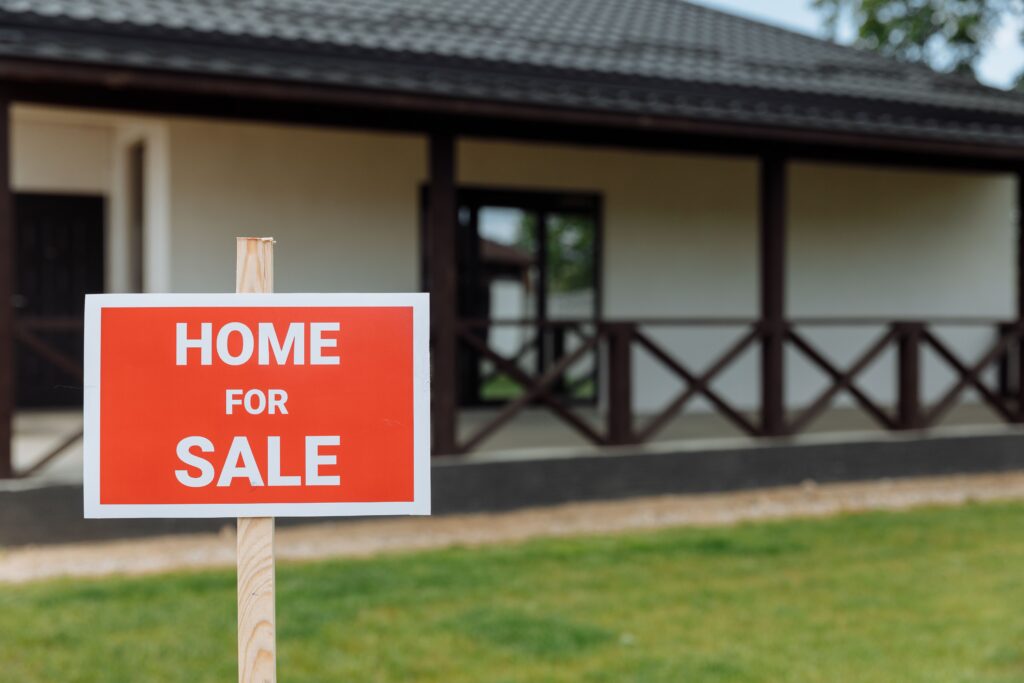
When you are in the market to buy or sell real estate, you need to come up with a price that works for you. Without this, you are reliant on the other party to decide. That’s what often happens – the seller sets the price and the buyer anchors on that, maybe taking off 10%, and offering that. The seller has the huge advantage there and it is to the buyer’s detriment. The buyer should have determined the value by the numbers, not by the seller’s wishes.
Emotion or Logic
Even more important than the 3 ways to value are whether you are in the market based on emotion or logic. Emotion is not all bad. Perhaps you want a particular type of fireplace or accent wall which you will enjoy for years. You might even be willing to pay a lot more than most other buyers for the privilege of owning it.
Certain things appeal to emotions and have value to certain people. There’s no way to get around that. If it happens to you, just factor it in. This emotion usually happens in residential purchases and can cause sale prices to get ridiculously high. Or low. Maybe people decide they don’t want to live near a factory because it is aesthetically unpleasing, or they worry about crime. If the fear is based in reality, it’s not a problem, but if it is simply a fear, it is an emotion. Understand your motives. Here are the 3 logical ways to value properties.
The Sales Comparison Approach
When looking at a property, we might want to know what other similar properties are selling for. We might rely on what others have paid to determine what we should pay. This is the sales comparison approach and is most often done in residential real estate.
If you work with an agent, chances are you have been shown multiple ‘comps’, which are similar properties that have sold recently and their value. They might add or subtract some dollars for certain amenities, then arrive at a value range for the particular house you are looking at. There is a fair amount of subjectivity involved.
This approach requires similar comparative sales. If the house you are looking at is unusual in some way (appearance, location, amenities) then the sales approach becomes more guesswork than anything else. The comparison approach is one reason why house asking prices are so high right now. “Everybody else is getting high prices.” Generally when there is a high volume of sales in a particular niche, the sales approach is used.
The Cost Approach
You might think that a true value of a property is the sale price of all the items which make the property. While you probably don’t intend to deconstruct the building and sell the soil under it, there is a value to these individual pieces. A surrogate way to value it would be to ask what it would cost to rebuild the entire building form scratch. That would seem like the best way to know the true value of a property. Unfortunately, that price is rarely what the property sells for.
The cost approach is used mainly by insurance companies or if the sale has no comps. It is sometimes used for special use buildings such as churches or government buildings that go up for sale. As an investor, you probably won’t encounter this type much.
The Income Approach
If you’ve been reading this blog, you will have learned many components of the income approach. This type treats each property as a black box which produces money and costs money to run. It calculates the expenses and income and arrives at a Net Operating Income. You then use the capitalization rate to arrive at a value. Using this method does not require any sales comps and gives the most accurate assessment of the money that will be made by making the purchase. If the goal is to bring profit, the income approach is best.
Confusion about which approach is used often leads to frustration. Investors often apply the income approach to a single family home purchase. They lament that all the houses are selling for way higher than their rental income would return. That’s because home buyers are using the comps approach but the investor is using the income approach. Make sure you assess your own motives for purchasing and carefully decide what is the right method to use before you make your offer.